Social Media Platforms Overview: Understanding the Digital Ecosystem

Social media platforms have become an inseparable part of modern digital life. From communication and entertainment to learning and brand interaction, these platforms influence how people consume information and connect with the world. For businesses, creators, and professionals, understanding social media platforms is essential to building visibility and credibility.
Each social media platform serves a different purpose, attracts a specific audience, and encourages unique types of interaction. Knowing how these platforms function helps brands make informed decisions rather than spreading efforts without direction.
This guide provides a clear and practical overview of major social media platforms, explaining how they work, who uses them, and why they matter.
What Are Social Media Platforms?
Social media platforms are digital spaces where users create profiles, share content, and interact with others. These platforms allow communication in multiple formats, including text, images, video, and live interactions.
Unlike traditional media, social platforms encourage two-way communication. Users are not just consumers but active participants. This shift has changed how information spreads and how brands connect with audiences.
Why Understanding Social Media Platforms Matters
Not every platform suits every goal. Some platforms focus on visual storytelling, while others emphasize conversations or professional networking.
Understanding platforms helps in:
- Choosing the right channel
- Communicating effectively
- Avoiding wasted effort
A platform-first approach ensures relevance and impact.
The Evolution of Social Media Platforms
Social media began as simple networking tools. Over time, platforms evolved into complex ecosystems with algorithms, content discovery, and advanced engagement features.
Today’s platforms are shaped by:
- User behavior
- Mobile usage
- Content consumption trends
This evolution has made platform understanding more important than ever.
Facebook: The Community-Driven Platform
Facebook is one of the most established social media platforms. It focuses on connections, communities, and content sharing.
Users engage through posts, groups, events, and discussions. Brands use Facebook to build long-term audience relationships and foster community interaction.
Its strength lies in its diverse user base and community-oriented features.
Instagram: Visual Storytelling at Scale
Instagram is centered around visual content. Images, short videos, and stories dominate user interaction.
The platform emphasizes:
- Aesthetic presentation
- Short-form engagement
- Visual consistency
Instagram works well for brands that rely on storytelling and visual identity.
LinkedIn: Professional Networking Platform
LinkedIn is designed for professional interactions. It focuses on career development, expertise sharing, and industry discussions.
Users engage through:
- Professional posts
- Articles
- Business updates
LinkedIn is ideal for thought leadership and professional credibility.
Twitter (X): Real-Time Conversations
Twitter is built around short, fast-paced content. It is often used for updates, opinions, and real-time discussions.
The platform thrives on:
- Trends
- Public conversations
- Instant reactions
Brands use Twitter to stay relevant and responsive.
YouTube: Long-Form Video Platform
YouTube is a video-centric platform focused on in-depth content.
Users visit YouTube for:
- Learning
- Entertainment
- Detailed explanations
YouTube content has a longer lifespan and supports deep engagement.
Pinterest: Visual Discovery Platform
Pinterest functions as a visual search engine. Users explore ideas, inspiration, and planning content.
The platform is known for:
- Long content lifespan
- Discovery-based browsing
Pinterest supports content discovery rather than immediate interaction.
Snapchat: Ephemeral Content Platform
Snapchat focuses on temporary content and private communication.
Its key characteristics include:
- Short-lived content
- Casual interaction
- Younger audience
It encourages authenticity over perfection.
TikTok: Short-Form Video Dominance
TikTok is built around short, engaging videos.
The platform emphasizes:
- Creativity
- Trends
- Algorithm-driven discovery
Content can reach wide audiences quickly if it resonates.
WhatsApp & Messaging-Based Platforms
Messaging platforms enable private communication.
These platforms support:
- Direct interaction
- Relationship building
- Personalized communication
They strengthen trust through direct engagement.
Understanding Platform-Specific Audiences
Each platform attracts different user groups.
Audience differences are based on:
- Age
- Purpose
- Content preference
Matching content style with platform audience improves engagement.
Content Formats Across Platforms
Social media platforms support various formats.
Common formats include:
- Text posts
- Visual content
- Video content
- Live interactions
Choosing the right format enhances message delivery.
Algorithms and Content Visibility
Algorithms determine what users see.
They consider:
- Engagement levels
- Relevance
- Consistency
Understanding algorithms helps improve content reach naturally.
Platform Strengths and Limitations
Every platform has advantages and challenges.
Some offer broad reach, while others provide targeted interaction. Successful use depends on realistic expectations and platform alignment.
Cross-Platform Presence vs Platform Focus
Being everywhere is not always effective.
Focused presence allows:
- Better content quality
- Stronger engagement
- Clear brand voice
Quality matters more than quantity.
Social Media Platforms and Brand Identity
Platforms shape brand perception.
Consistent messaging and visuals across platforms reinforce credibility and trust.
Analytics and Platform Performance
Each platform offers performance insights.
Metrics help understand:
- Audience behavior
- Content effectiveness
- Growth patterns
Data-driven decisions improve outcomes.
The Role of Social Media Platforms in Digital Strategy
Social platforms support visibility, engagement, and communication.
They act as:
- Distribution channels
- Engagement spaces
- Brand touchpoints
Integrated use strengthens digital presence.
Future Trends in Social Media Platforms
Platforms continue to evolve.
Future focus areas include:
- Personalization
- Community-based interaction
- Video-first experiences
Adaptability remains key.
FAQs:
- What are social media platforms?
They are digital platforms that allow users to share content and interact.
- Which social media platform is best?
The best platform depends on audience and goals.
- Do all platforms work the same way?
No, each platform has unique features and behavior.
- Why should brands understand platform differences?
To communicate effectively and avoid wasted effort.
- Can one brand use multiple platforms?
Yes, with clear strategy and content alignment.
Conclusion
Social media platforms form a complex but powerful digital ecosystem. Each platform serves a distinct purpose and audience, making understanding their differences essential. When used strategically, social platforms enable meaningful interaction, sustained visibility, and long-term engagement.
Rather than chasing every platform, success comes from clarity, consistency, and understanding how each platform fits into a broader digital strategy. Social media platforms are not just tools—they are spaces where relationships and trust are built.
Ready to Master Digital Marketing? Sign Up Today!
Inspiring Job Placement Success Stories
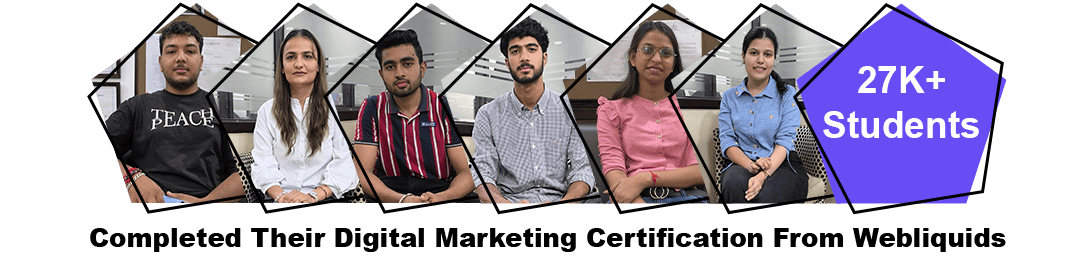
Our Achievers Ready to Lead the Industry