Introduction
Artificial Intelligence, commonly known as AI, is rapidly transforming the digital world. From personalized recommendations on shopping websites to automated customer support systems, AI is changing how businesses connect with customers online. Ecommerce companies are now using smart technologies to improve customer experiences, increase sales, and automate marketing activities.
In recent years, e-commerce marketing has become one of the fastest-growing industries worldwide. As businesses compete in crowded online marketplaces, AI tools are helping brands make better decisions, understand customer behavior, and deliver personalized shopping experiences. This shift is creating exciting opportunities for students, professionals, entrepreneurs, and freelancers.
Webliquids Institute understands the importance of future-ready skills and provides practical training in e-commerce marketing, digital marketing, and AI-powered tools. With businesses increasingly adopting artificial intelligence technologies, learning these skills has become essential for anyone looking to build a successful career in the digital industry.
Understanding how AI will change e-commerce marketing in 2026 is important because the future of online business will heavily depend on automation, data analysis, and customer personalization. Companies are looking for professionals who can work with modern AI tools and help brands grow online efficiently.
This blog will explain how AI is transforming e-commerce marketing, why these changes matter, and how learners can prepare themselves for future career opportunities through professional training and practical experience.
What is AI in E-commerce Marketing?
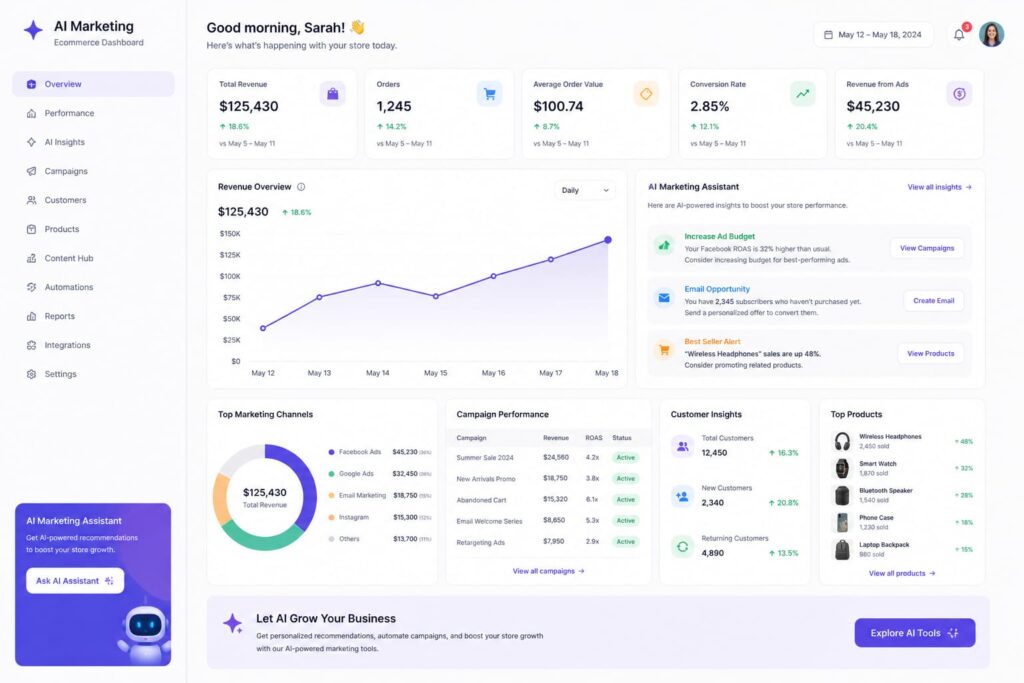
“Artificial intelligence in e-commerce marketing” refers to the use of smart computer systems and machine learning technologies to improve online marketing activities. AI helps businesses analyze data, predict customer behavior, automate repetitive tasks, and create personalized experiences for users.
In simple words, AI allows e-commerce companies to work smarter rather than harder. Instead of manually analyzing customer preferences or managing campaigns, AI tools can process huge amounts of data in seconds and provide valuable insights.
Examples of AI in e-commerce marketing include the following:
- Product recommendations on shopping websites
- AI chatbots for customer support
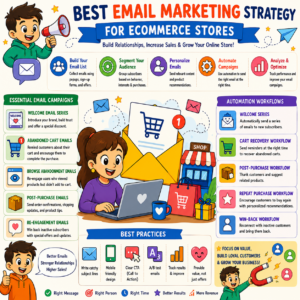
- Automated email marketing campaigns
- Voice search optimization
- Smart pricing systems
- Predictive analytics for customer behavior
- AI-generated content and advertisements
These technologies help businesses improve efficiency while providing better customer experiences.
Industry Relevance
AI is becoming one of the most important technologies in the e-commerce industry. Large brands like Amazon, Flipkart, Shopify sellers, and many online businesses already use AI tools to improve customer satisfaction and increase sales.
In 2026, AI adoption is expected to grow even further because online competition is increasing. Businesses now need faster, smarter, and more accurate marketing strategies to stay ahead in the market.
As a result, professionals who understand AI-driven e-commerce marketing will have a strong advantage in the job market.
How Does AI Change E-commerce Marketing in 2026?
The e-commerce industry is evolving rapidly, and AI is becoming the driving force behind this transformation. Understanding how AI changes e-commerce marketing in 2026 helps learners and professionals stay prepared for future industry trends.
Here are the major ways AI is reshaping e-commerce marketing:
1. Personalized Shopping Experiences
One of the biggest advantages of AI is personalization. Modern consumers expect brands to understand their preferences and provide relevant recommendations.
AI tools analyze:
- Purchase history
- Browsing behavior
- Search patterns
- Customer interests
Based on this data, e-commerce platforms can recommend products that customers are more likely to buy.
Benefits:
- Improved customer satisfaction
- Higher conversion rates
- Better customer loyalty
- Increased sales revenue
Personalization has become essential for e-commerce businesses in 2026.
2. AI-Powered Chatbots and Customer Support
Customer service is a major part of e-commerce success. AI chatbots are helping businesses provide instant support 24/7.
These chatbots can:
- Answer common questions
- Track orders
- Recommend products
- Handle complaints
- Guide customers during purchases
This improves user experience while reducing operational costs.
3. Smart Product Recommendations
AI recommendation engines are changing the way products are marketed online.
Examples include:
- “Customers also bought” suggestions
- Personalized homepages
- Cross-selling recommendations
- Upselling products
These strategies increase the average order value and improve customer engagement.
4. Predictive Analytics
Predictive analytics allows businesses to forecast future customer behavior using AI and data analysis.
AI can predict:
- Which products will trend
- Customer buying patterns
- Seasonal demand changes
- Marketing campaign performance
This helps businesses make better marketing decisions and reduce risks.
5. Automated Marketing Campaigns
AI is making digital marketing automation more advanced and effective.
Automation tools can:
- Schedule social media posts
- Optimize ad campaigns
- Send personalized emails
- Analyze customer engagement
- Improve conversion rates automatically
Businesses save time while improving campaign performance.
6. AI-Generated Content
Content creation is becoming easier with AI tools.
AI can generate:
- Product descriptions
- Email copy
- Social media captions
- Ad headlines
- Blog outlines
Although human creativity is still important, AI speeds up the content creation process significantly.
7. Voice Search Optimization
More people are using voice assistants like Alexa and Google Assistant for shopping searches.
AI helps e-commerce businesses optimize content for voice search by:
- Understanding natural language
- Improving search relevance
- Delivering accurate results
Voice commerce is expected to grow rapidly in 2026.
8. Dynamic Pricing Strategies
AI-powered pricing tools automatically adjust product prices based on the following:
- Market demand
- Competitor pricing
- Customer behavior
- Product availability
This helps businesses remain competitive and maximize profits.
9. Fraud Detection and Security
Online fraud is a growing concern in ecommerce. AI systems can detect suspicious activities and prevent fraudulent transactions.
Benefits include:
- Safer online shopping
- Better customer trust
- Reduced financial losses
Security technologies powered by AI are becoming essential for ecommerce businesses.
10. Better Customer Insights
AI helps businesses understand customers more deeply through data analysis.
Companies can identify:
- Customer preferences
- Buying habits
- Popular products
- Marketing effectiveness
These insights help improve overall business performance.
Why is AI in E-commerce Marketing Important?
Career Relevance
AI-powered ecommerce marketing is becoming one of the most valuable career skills in the digital industry. Companies need professionals who can manage automation tools, analyze customer data, and optimize online campaigns.
Learning these skills can lead to careers in:
- Ecommerce management
- Digital marketing
- AI marketing strategy
- Data analytics
- Performance marketing
Industry Demand
The demand for AI professionals in e-commerce is increasing rapidly because businesses want smarter marketing solutions.
Industries actively hiring AI ecommerce experts include:
- Retail
- Fashion
- Technology
- Healthcare
- Education
- Online marketplaces
Companies are investing heavily in AI-based marketing systems to stay competitive.
Future Scope
The future scope of AI in e-commerce marketing is extremely strong. In the coming years, businesses will rely more on automation, machine learning, and predictive technologies.
Professionals with AI e-commerce skills will have opportunities in:
- International companies
- Remote work positions
- Freelancing projects
- Startup businesses
- Digital agencies
Understanding how AI changes e-commerce marketing in 2026 gives learners a competitive advantage in future job markets.
How Webliquids Institute Helps Students Learn AI E-commerce Marketing
Webliquids Institute focuses on practical, industry-oriented education that prepares learners for real-world digital careers.
1. Modern Teaching Approach
The institute uses:
- Interactive learning methods
- Practical assignments
- Real-world examples
- Live project training
This approach helps students understand complex concepts easily.
2. Industry-Oriented Curriculum
The curriculum is designed according to current industry requirements and includes:
- Ecommerce marketing strategies
- AI marketing tools
- SEO and content marketing
- Paid advertising
- Analytics and automation
Students learn the latest tools and technologies used by modern businesses.
3. Practical Training & Real-World Exposure
Practical experience is one of the biggest strengths of Webliquids Institute.
Students get opportunities to:
- Work on live campaigns
- Analyze marketing performance
- Create e-commerce strategies
- Use AI-powered tools
This hands-on learning improves confidence and job readiness.
Who Should Enroll?
Students
Students interested in digital careers can build valuable skills early and prepare for future job opportunities in e-commerce and AI marketing.
Working Professionals
Professionals looking to upgrade their skills or switch careers can benefit from learning AI-powered marketing strategies.
Creators & Freelancers
Content creators, social media managers, designers, and freelancers can use AI tools to improve productivity and grow their businesses.
Benefits of Learning at Webliquids Institute
1. Skill Development
Students learn practical skills, including:
- Ecommerce marketing
- AI automation tools
- SEO optimization
- Analytics and reporting
2. Career Growth
AI e-commerce skills improve career opportunities and increase earning potential.
Benefits include:
- Better job opportunities
- Freelancing potential
- Digital business growth
3. Job Readiness
The institute focuses on real-world learning to help students become job-ready from day one.
Students develop:
- Technical skills
- Marketing strategies
- Communication abilities
- Analytical thinking
4. Creative and Technical Advantages
Students gain a combination of:
- Creativity
- Marketing knowledge
- AI tool expertise
- Strategic thinking
This balanced skill set is highly valuable in modern industries.
Career Opportunities After Completion
After learning AI-powered e-commerce marketing, students can explore multiple career opportunities.
Job Roles
Possible job positions include:
- Ecommerce Marketing Executive
- Digital Marketing Specialist
- AI Marketing Analyst
- SEO Executive
- Content Strategist
- Social Media Manager
- Performance Marketing Expert
Freelancing Opportunities
Freelancers can offer services such as the following:
- Ecommerce store management
- AI marketing automation
- SEO optimization
- Content creation
- Ad campaign management
Industry Sectors
Professionals can work in:
- Ecommerce companies
- Digital marketing agencies
- Retail businesses
- Technology startups
- Educational platforms
- Fashion and lifestyle brands
Why AI Skills Matter for the Future
As technology continues to evolve, AI will become deeply integrated into everyday business operations. Companies that fail to adopt AI technologies may struggle to compete in fast-changing markets.
Learning AI-powered e-commerce marketing today helps individuals:
- Stay future-ready
- Increase employability
- Build scalable businesses
- Create multiple income opportunities
Professionals who understand how AI changes e-commerce marketing in 2026 will be better prepared for the digital economy of the future.
Conclusion
Artificial intelligence is transforming e-commerce marketing faster than ever before. From personalized shopping experiences to automated campaigns and predictive analytics, AI is helping businesses grow smarter and more efficiently.
Understanding how AI changes e-commerce marketing in 2026 is important for anyone who wants to build a successful career in digital marketing or e-commerce. As businesses continue adopting AI technologies, skilled professionals will remain in high demand.
Webliquids Institute provides the practical training, industry-oriented curriculum, and real-world exposure needed to succeed in this evolving industry. Whether you are a student, working professional, freelancer, or entrepreneur, learning AI-powered e-commerce marketing can open doors to exciting career opportunities and long-term growth.
The future of e-commerce is intelligent, automated, and data-driven. Now is the perfect time to develop the skills needed to thrive in this digital era.
Institute Details
If you want to build professional skills in e-commerce marketing, AI tools, and digital marketing strategies, you can connect with Webliquids Institute.
Address: SCO 114-115, 2nd Floor, Sector 34-A, Chandigarh, 160022
Phone Number: +91 82982 95419
Website: https://www.webliquids.com
FAQs
1. What is AI in e-commerce marketing?
“AI in e-commerce marketing” refers to the use of artificial intelligence tools to automate marketing tasks, improve customer experiences, and increase online sales.
2. Is AI replacing digital marketers?
No, AI is helping marketers work more efficiently. Human creativity and strategy are still very important.
3. Can beginners learn AI e-commerce marketing?
Yes, beginners can easily learn AI e-commerce marketing with proper guidance and practical training.
4. What career opportunities are available after learning AI e-commerce marketing?
You can work as a digital marketer, e-commerce executive, SEO specialist, AI marketing analyst, or freelancer.
5. How long does it take to learn e-commerce marketing?
Basic skills can be learned within a few months, depending on the course structure and practice level.
6. Does Webliquids Institute provide practical training?
Yes, Webliquids Institute offers hands-on learning through live projects, practical assignments, and industry-based training.