Campaign Tracking: The Foundation of Smarter Marketing and Measurable Growth
Introduction: Why Campaign Tracking Is Non-Negotiable
Running marketing campaigns without tracking is like driving with your eyes closed. You may move forward, but you have no idea where you are going or what obstacles lie ahead. This is why campaign tracking is one of the most important foundations of successful digital marketing.
Every click, impression, message, and conversion tells a story. Campaign tracking allows businesses to understand that story clearly. It shows what is working, what is wasting money, and where improvements are needed.
In a data-driven world, decisions without tracking are guesses. Campaign tracking replaces guesses with clarity.
What Is Campaign Tracking?
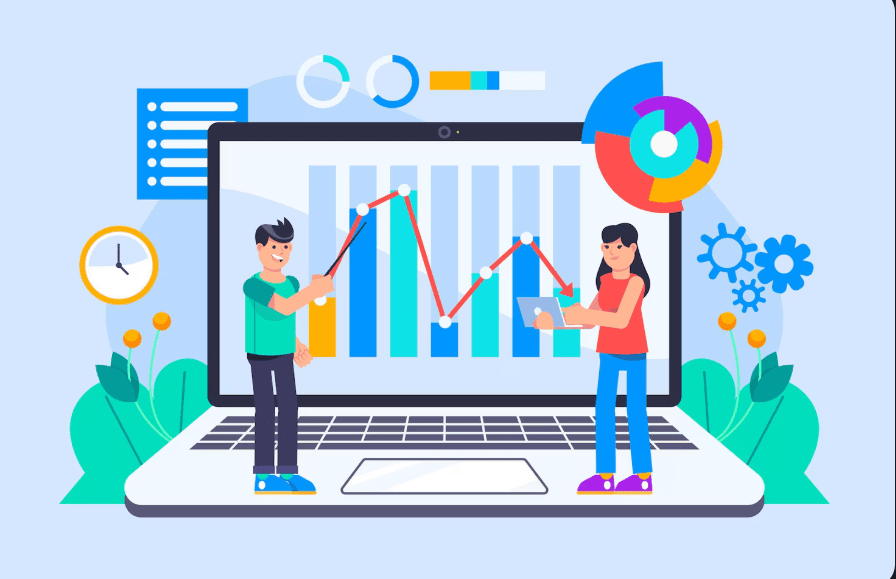
Campaign tracking is the process of measuring and monitoring the performance of marketing campaigns across different channels. It helps businesses understand how users interact with ads, content, landing pages, and communication touchpoints.
Through campaign tracking, marketers can identify where traffic comes from, how users behave, and whether campaigns achieve their goals. It connects marketing efforts to real outcomes.
Tracking turns activity into insight.
Why Campaign Tracking Matters in Digital Marketing
Digital marketing offers endless possibilities, but without tracking, those possibilities become confusing. Campaign tracking provides visibility into performance and accountability for spending.
It helps marketers justify budgets, optimize campaigns, and scale what works. Without tracking, success cannot be repeated and failure cannot be fixed.
Measurement drives improvement.
Campaign Tracking vs Basic Analytics
Basic analytics show general website data, such as traffic volume or page views. Campaign tracking goes deeper. It connects specific marketing actions to specific outcomes.
Instead of asking “How many visitors came?”, campaign tracking answers “Which campaign brought these visitors and what did they do next?”
Context makes data valuable.
Core Objectives of Campaign Tracking
The main goal of campaign tracking is to measure effectiveness. It helps marketers understand whether a campaign achieved its purpose.
Campaign tracking also supports optimization, reporting, and long-term strategy building. It transforms raw data into actionable insights.
Purpose defines performance.
Understanding Campaign Metrics
Campaign tracking focuses on meaningful metrics. These may include engagement, conversions, cost efficiency, and return on investment.
The right metrics depend on campaign goals. Awareness campaigns focus on reach and engagement, while performance campaigns focus on conversions and revenue.
Metrics should match intent.
Traffic Source Tracking
One of the first steps in campaign tracking is understanding where traffic comes from. Different platforms contribute differently to the funnel.
Tracking traffic sources helps identify which channels deliver quality users, not just volume.
Quality matters more than quantity.
Campaign Tracking Across Multiple Channels
Modern campaigns run across multiple platforms such as search engines, social media, email, and messaging apps. Campaign tracking connects these channels into one view.
This helps businesses understand the full customer journey instead of isolated actions.
Unified data creates clarity.
The Role of Tracking Parameters
Tracking parameters help identify campaign details such as source, medium, and purpose. They allow marketers to differentiate between campaigns accurately.
Proper use of tracking parameters ensures clean and reliable data.
Accuracy enables confidence.
Landing Pages and Campaign Tracking
Landing pages play a critical role in campaign tracking. They act as the conversion point where campaign success is measured.
Tracking user behavior on landing pages helps optimize design, messaging, and calls-to-action.
Every click tells a story.
Conversion Tracking Explained
Conversion tracking measures specific actions users take after interacting with a campaign. These actions represent success.
Tracking conversions connects marketing efforts to real business outcomes. Without conversion tracking, campaign performance remains incomplete.
Results define success.
Micro and Macro Conversions
Not all conversions are equal. Some actions indicate intent, while others represent final outcomes.
Campaign tracking allows businesses to measure both micro and macro conversions to understand progress through the funnel.
Progress deserves recognition.
Campaign Tracking for Paid Advertising
Paid advertising depends heavily on tracking. Every click costs money, making measurement essential.
Campaign tracking helps identify profitable ads, keywords, and audiences while eliminating waste.
Efficiency protects budgets.
Campaign Tracking in Organic Marketing
Even non-paid efforts require tracking. Organic campaigns benefit from understanding content performance and audience engagement.
Tracking shows which topics and channels drive meaningful interaction.
Insight fuels content strategy.
Campaign Tracking for Email and Messaging Campaigns
Email and messaging campaigns rely on engagement metrics such as opens, clicks, and responses.
Campaign tracking helps optimize timing, messaging, and follow-ups for better results.
Engagement reflects relevance.
Attribution and Campaign Tracking
Attribution determines how credit is assigned to different campaign touchpoints. Campaign tracking supports better attribution decisions.
Understanding attribution helps marketers invest wisely across channels.
Credit should be fair.
Data Accuracy and Campaign Tracking
Accurate tracking is essential. Incorrect setup leads to misleading data and poor decisions.
Testing and validation ensure reliable campaign insights.
Accuracy builds trust.
Common Campaign Tracking Mistakes
Many businesses track too little or track incorrectly. Missing parameters, broken links, or misconfigured conversions create confusion.
Avoiding these mistakes improves decision-making.
Clarity prevents errors.
Campaign Tracking and Optimization
Tracking is not just for reporting. It is the foundation of optimization.
Analyzing data helps refine targeting, messaging, and budget allocation.
Optimization drives growth.
Campaign Tracking for Scaling Marketing Efforts
Scaling without tracking increases risk. Campaign tracking ensures scalability is based on proven performance.
Businesses grow confidently when decisions are data-backed.
Data reduces risk.
Campaign Tracking and Team Alignment
Shared tracking data aligns marketing, sales, and leadership teams. Everyone works from the same information.
Alignment improves collaboration and results.
Transparency builds teamwork.
Reporting and Campaign Insights
Campaign tracking supports meaningful reporting. Reports highlight trends, patterns, and opportunities.
Clear reporting simplifies decision-making for stakeholders.
Insights matter more than numbers.
Campaign Tracking and Customer Experience
Tracking helps understand how customers move through campaigns. This improves experience by removing friction.
Better experience increases loyalty and conversions.
Experience defines brand perception.
Privacy and Ethical Campaign Tracking
Responsible tracking respects user privacy and follows data protection regulations.
Ethical tracking builds long-term trust with audiences.
Trust is non-negotiable.
Tools Used for Campaign Tracking
Campaign tracking relies on analytics platforms, tag managers, and reporting tools.
Choosing the right tools depends on business size and complexity.
Tools support strategy.
Campaign Tracking for Long-Term Strategy
Historical tracking data helps shape future strategies. It reveals patterns and seasonal trends.
Long-term success depends on learning from past campaigns.
History informs growth.
The Future of Campaign Tracking
Campaign tracking is evolving with advanced analytics and AI-driven insights.
Future tracking will focus more on predictive performance and personalization.
The future is intelligent.
Best Practices for Effective Campaign Tracking
Clear goals, clean data, and consistent measurement define successful tracking.
Regular review and optimization maximize value.
Discipline ensures results.
Frequently Asked Questions (FAQs)
- What is campaign tracking?
Campaign tracking measures the performance of marketing campaigns across channels. - Why is campaign tracking important?
It helps understand effectiveness, optimize spending, and improve results. - What should be tracked in a campaign?
Traffic sources, engagement, conversions, and costs should be tracked. - Is campaign tracking only for paid ads?
No, it applies to both paid and organic campaigns. - How does campaign tracking improve ROI?
By identifying what works and eliminating waste.
Conclusion
Campaign tracking is the backbone of effective digital marketing. It transforms marketing from guesswork into strategy, from activity into performance.
By tracking campaigns accurately, businesses gain control over decisions, budgets, and growth. Campaign tracking does not just measure success—it enables it.
In a competitive digital environment, those who track win.
Ready to Master Digital Marketing? Sign Up Today!
Inspiring Job Placement Success Stories

Our Achievers Ready to Lead the Industry