Content Distribution: The Complete Guide to Making Your Content Work Harder

Creating high-quality content is only half the job. The other half—and often the most overlooked part—is content distribution. Many businesses invest time, effort, and money into creating blogs, videos, and guides, only to see minimal results. The reason is simple: great content without distribution remains invisible.
Content distribution is the process of sharing, promoting, and amplifying content so it reaches the right audience at the right time through the right channels. Without a clear distribution strategy, even the best content fails to generate traffic, engagement, or impact.
This guide explains content distribution in depth—what it is, why it matters, how it works, and how to build a distribution strategy that delivers real results.
What Is Content Distribution?
Content distribution refers to the methods and channels used to deliver content to an audience. It ensures that content does not rely solely on organic discovery but actively reaches people who will find it valuable.
Content distribution answers key questions:
- Where should content be shared?
- Who should see it?
- How often should it be promoted?
- What formats work best for each channel?
Distribution turns content into visibility.
Why Content Distribution Matters More Than Content Creation
In today’s digital landscape, content saturation is high. Thousands of blogs and videos are published every minute. Simply publishing content is no longer enough.
Content distribution matters because it:
- Increases reach and visibility
- Drives consistent traffic
- Improves return on content investment
- Ensures content reaches the right audience
Without distribution, content remains underutilized.
Content Distribution vs Content Marketing
Content marketing includes strategy, creation, and promotion. Content distribution focuses specifically on amplification.
Content distribution:
- Extends content lifespan
- Multiplies reach
- Improves engagement
It ensures that marketing efforts do not stop at publishing.
The Core Content Distribution Channels
Content distribution typically falls into three main categories:
- Owned media
- Earned media
- Paid media
A balanced strategy uses all three strategically.
Owned Media Distribution
Owned media includes channels you control directly.
Examples include:
- Website and blog
- Email newsletters
- Social media profiles
Owned channels offer long-term stability and consistency.
Earned Media Distribution
Earned media involves third-party exposure.
This includes:
- Shares and mentions
- Backlinks
- Organic recommendations
Earned distribution builds trust and authority.
Paid Media Distribution
Paid distribution accelerates reach.
It includes:
- Sponsored content
- Paid social promotion
- Native advertising
Paid distribution supports visibility when organic reach is limited.
Choosing the Right Distribution Channels
Not all channels work for every audience.
Effective distribution depends on:
- Audience behavior
- Content format
- Platform intent
Strategy determines channel selection, not trends.
Understanding Audience Behavior in Distribution
Distribution begins with understanding where audiences spend time.
Audience research reveals:
- Preferred platforms
- Content consumption habits
- Engagement patterns
Distribution succeeds when aligned with behavior.
Content Distribution and the User Journey
Different content serves different stages of awareness.
Early-stage distribution focuses on discovery.
Mid-stage distribution builds trust.
Late-stage distribution supports decision-making.
Mapping content to the journey improves relevance.
Timing and Frequency in Content Distribution
When content is shared matters as much as where.
Effective timing considers:
- Platform activity patterns
- Audience availability
- Content relevance
Consistency builds familiarity and trust.
Repurposing Content for Distribution
Repurposing maximizes content value.
One piece of content can be adapted into:
- Social snippets
- Short videos
- Email highlights
Repurposing ensures wider reach with less effort.
Content Distribution for Blogs
Blogs benefit greatly from structured distribution.
Effective blog distribution includes:
- Email sharing
- Social promotion
- Internal linking
Distribution ensures blogs continue attracting traffic.
Video Content Distribution Strategy
Video distribution requires platform-specific optimization.
Video distribution considers:
- Format and length
- Platform algorithms
- Viewer behavior
Strategy ensures videos are seen and watched.
Social Media and Content Distribution
Social platforms are distribution amplifiers.
Effective social distribution:
- Focuses on value, not links
- Encourages engagement
- Matches platform tone
Consistency outperforms frequency.
Email as a Content Distribution Channel
Email remains one of the most effective distribution tools.
Email distribution:
- Reaches engaged audiences
- Drives repeat traffic
- Supports personalization
It builds long-term relationships.
Search Engines and Content Distribution
Search is a powerful passive distribution channel.
SEO-driven distribution:
- Attracts intent-based traffic
- Delivers long-term visibility
- Compounds over time
Search distribution requires patience but delivers high ROI.
Content Distribution and Brand Authority
Consistent distribution builds recognition.
Over time, audiences associate:
- Expertise
- Reliability
- Value
Authority grows with visibility.
Measuring Content Distribution Performance
Measurement ensures effectiveness.
Key metrics include:
- Reach and impressions
- Engagement behavior
- Traffic sources
Data helps refine distribution strategy.
Optimizing Distribution Based on Data
Optimization improves results.
This includes:
- Testing different platforms
- Adjusting frequency
- Refining messaging
Continuous improvement strengthens outcomes.
Common Content Distribution Mistakes
Many strategies fail due to:
- Sharing content only once
- Ignoring audience preferences
- Over-promoting links
Balanced distribution performs best.
Content Distribution for Competitive Markets
In crowded spaces, strategic distribution is essential.
Focused distribution:
- Targets niche audiences
- Emphasizes value
- Builds trust gradually
Quality distribution outperforms mass posting.
Scaling Content Distribution
As content grows, distribution must scale.
Scalable strategies include:
- Automation tools
- Content calendars
- Performance-based prioritization
Scalability ensures consistency.
Content Distribution and Long-Term Growth
Distribution compounds over time.
Strong distribution:
- Builds recurring traffic
- Strengthens brand presence
- Reduces dependency on paid channels
Long-term thinking drives sustainability.
Team Roles in Content Distribution
Effective distribution requires coordination.
Roles may include:
- Content strategist
- Social media manager
- Email specialist
Clear roles improve execution.
Future of Content Distribution
Content distribution continues evolving.
Future trends include:
- Algorithm-focused optimization
- Community-based sharing
- Personalization
Strategy remains the foundation.
FAQs:
- What is content distribution in simple terms?
It is the process of sharing content so people actually see it.
- Is content distribution necessary for small businesses?
Yes. Distribution maximizes limited resources.
- How often should content be distributed?
Consistency matters more than frequency. - Does content distribution support SEO?
Yes. It increases visibility and engagement signals.
- Can content distribution improve ROI?
Absolutely. It ensures content delivers results.
Conclusion
Content creation without distribution is like building a product without marketing it. Content distribution ensures that valuable content reaches the right audience, delivers engagement, and drives long-term growth.
In a digital world where attention is limited, distribution determines success. When content distribution is planned, consistent, and audience-focused, content transforms from static assets into powerful growth tools.
Great content deserves great visibility. Distribution makes that possible.
Ready to Master Digital Marketing? Sign Up Today!
Inspiring Job Placement Success Stories
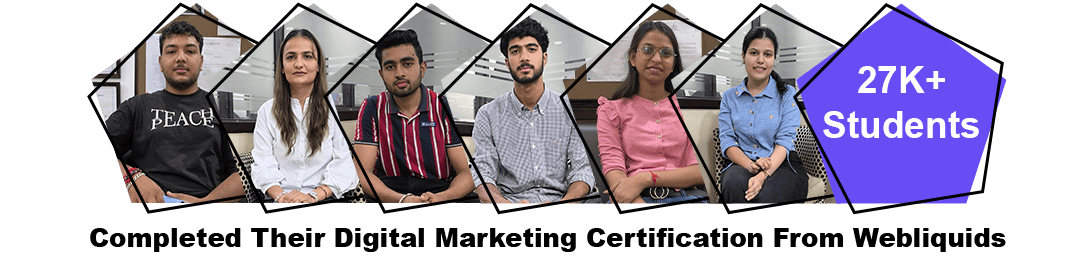
Our Achievers Ready to Lead the Industry