

Best Low Cost Google Ads Campaigns for High ROI
Best Low Cost Google Ads Campaigns for High ROI Introduction Businesses of all sizes want more leads, sales, and customers without spending a huge advertising
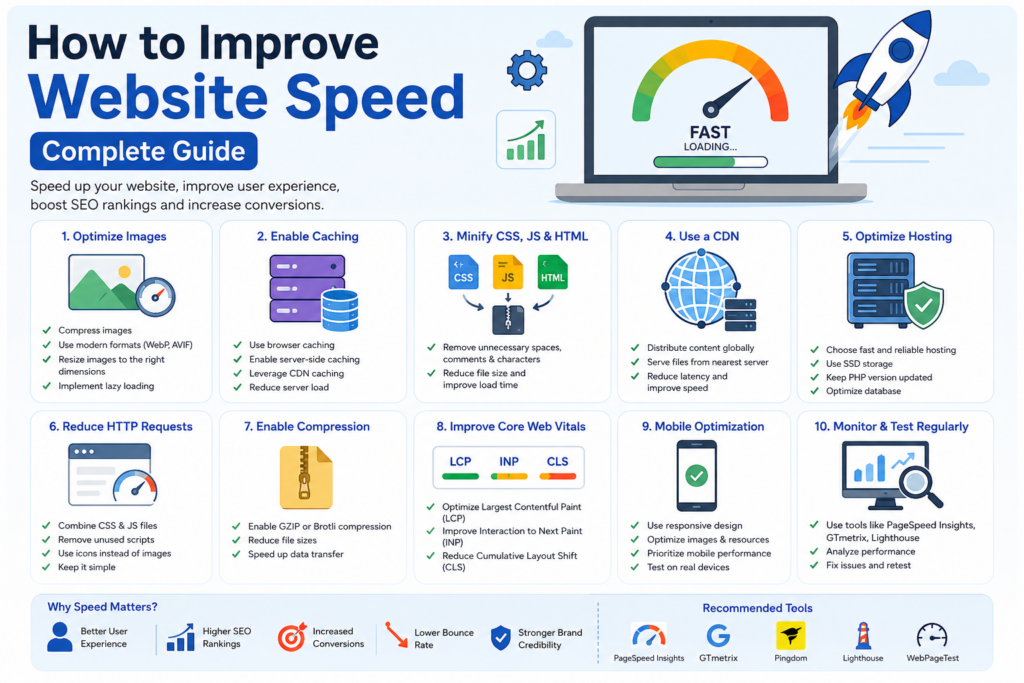
In today’s digital world, website speed plays a major role in online success. Whether you run a business website, blog, eCommerce store, or portfolio, visitors expect pages to load quickly. If your website is slow, users may leave before viewing your content, which can negatively affect engagement, conversions, and search engine rankings.
Understanding how to improve website speed is one of the most important skills for website owners, digital marketers, SEO professionals, and developers. Faster websites provide a better user experience, improve search visibility, and help businesses achieve higher conversion rates.
Google considers page speed as an important ranking factor, especially through Core Web Vitals. Therefore, investing time in website optimization is no longer optional—it’s essential.
This comprehensive guide explains everything you need to know about how to improve website speed, from beginner-friendly techniques to advanced optimization strategies.
Website speed affects almost every aspect of online performance.
When visitors land on your website, they expect immediate access to information. A delay of even a few seconds can lead to frustration and abandonment.
Search engines want to provide the best experience for users. Fast-loading websites often perform better because they help users access information quickly.
Google’s Core Web Vitals focus on:
Improving these metrics can significantly boost website performance and rankings.
Before learning how to improve website speed, it’s important to understand what affects loading performance.
The total time required for a page to load completely.
Measures how quickly the server responds to a browser request.
Indicates when the main content becomes visible.
Measures responsiveness when users interact with the page.
Measures visual stability during loading.
Use these tools regularly:
These tools help identify speed issues and optimization opportunities.
Images are often the largest files on a website. Optimizing them can dramatically improve loading times.
Different formats serve different purposes.
Best for photographs and detailed images.
Ideal for transparent backgrounds.
Provides excellent compression with high quality.
Modern format offering even better compression.
Large images slow down websites significantly.
Use image compression tools to reduce file size without noticeable quality loss.
Avoid uploading oversized images.
For example:
Lazy loading delays image loading until users scroll near them.
Benefits include:
Caching is one of the most effective methods for improving website speed.
Caching stores copies of website files so browsers can load pages faster during future visits.
Stores files locally on users’ devices.
Generates pages faster by reducing database requests.
Stores database query results for faster retrieval.
Caches content across global servers.
Implementing proper caching can significantly reduce loading times.
Website code often contains unnecessary elements that slow performance.
Minification removes:
Benefits include:
Many websites load scripts that are never used.
Regularly audit:
Reducing HTTP requests can improve loading times.
Combine:
When practical, fewer requests result in better performance.
Load critical content first.
Defer:
This improves perceived performance.
A CDN distributes website content through multiple servers worldwide.
Instead of loading files from one server, visitors receive content from the nearest location.
Businesses with international audiences particularly benefit from CDN implementation.
Even the best optimization strategies cannot compensate for poor hosting.
Hosting directly impacts website speed.
Look for:
Modern PHP versions offer significant performance improvements.
Benefits include:
Database issues can slow websites considerably.
Regular tasks include:
Compression reduces file sizes before transmission.
Popular options include:
These technologies significantly reduce bandwidth usage.
Mobile traffic now dominates internet usage.
Therefore, mobile optimization is essential when learning how to improve website speed.
Responsive websites adapt to all screen sizes.
Benefits include:
Mobile users often have slower internet connections.
Optimize:
Focus on:
Google primarily uses mobile-first indexing, making mobile speed crucial.
Core Web Vitals have become important ranking signals.
Strategies include:
Methods include:
Prevent unexpected layout movements by:
These improvements help both users and search engines.
Many website owners unknowingly create performance issues.
Every plugin adds resource demands.
Only keep essential plugins.
Huge image files slow pages dramatically.
Animations can impact performance if overused.
Cheap hosting often leads to slow websites.
Outdated software creates performance and security issues.
Avoiding these mistakes can produce immediate speed improvements.
Use this checklist regularly.
✔ Compress images
✔ Use modern image formats
✔ Enable caching
✔ Minify CSS
✔ Minify JavaScript
✔ Optimize HTML
✔ Use a CDN
✔ Enable GZIP or Brotli
✔ Remove unused plugins
✔ Optimize databases
✔ Improve Core Web Vitals
✔ Monitor speed regularly
✔ Improve page load times
✔ Optimize mobile experience
✔ Reduce bounce rate
✔ Improve user engagement
✔ Track performance metrics
Consistent monitoring ensures long-term performance improvements.
Website performance optimization is an essential skill for modern digital marketers, SEO professionals, and web developers.
Students looking to build practical digital skills can learn at WebLiquids Institute and gain industry-focused training from experienced professionals. The institute focuses on real-world digital marketing, SEO, website optimization, and performance improvement techniques used by businesses today.
Institute Name: WebLiquids Institute
Address: SCO 114-115, 2nd Floor, Sector 34-A, Chandigarh, 160022
Phone: 829-829-5419
Website: https://www.webliquids.com
Learning practical website optimization techniques can help students build valuable career skills and improve business websites effectively.
Website speed influences user experience and search rankings. Faster websites generally perform better in search results and reduce bounce rates.
Most experts recommend loading pages within 2 to 3 seconds for optimal user experience.
Testing at least once per month is recommended. Test more frequently after major updates.
Google PageSpeed Insights is one of the most widely used free tools for performance analysis.
Yes. Compressing and resizing images can significantly reduce loading times.
A Content Delivery Network distributes content through multiple servers worldwide to improve loading speed.
Yes. Excessive plugins increase resource usage and can negatively affect performance.
Core Web Vitals are performance metrics that measure loading speed, responsiveness, and visual stability.
Absolutely. Quality hosting improves server response times and overall website performance.
Yes. Google uses mobile-first indexing, making mobile performance a critical ranking factor.
Learning how to improve website speed is essential for anyone who wants better SEO rankings, improved user experience, and higher conversions. From image optimization and caching to CDN implementation and Core Web Vitals improvements, every optimization contributes to a faster and more efficient website.
A fast website not only satisfies visitors but also helps search engines understand that your website provides a high-quality user experience. By applying the strategies discussed in this guide, you can successfully master how to improve website speed and create a website that performs exceptionally well across devices and search engines.
If you want professional training in SEO, website optimization, digital marketing, and performance improvement, consider learning at WebLiquids Institute. With industry-focused training and practical guidance, students can develop the skills needed to succeed in today’s competitive digital landscape.

Best Low Cost Google Ads Campaigns for High ROI Introduction Businesses of all sizes want more leads, sales, and customers without spending a huge advertising

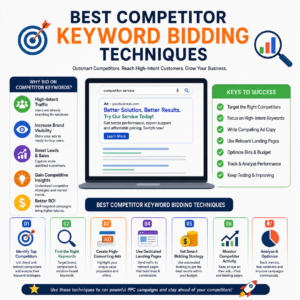
Best Competitor Keyword Bidding Techniques: A Complete Guide for Higher PPC Success Introduction In today’s competitive digital marketing world, businesses are constantly looking for new

How to Create High-Converting Keyword Targeting Campaigns Introduction Every small business wants more customers, more sales, and sustainable growth. However, attracting the right audience can
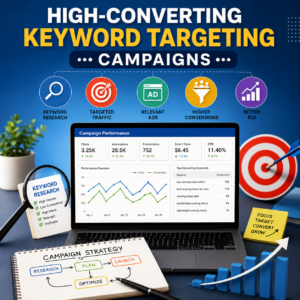
How to Create High-Converting Keyword Targeting Campaigns Introduction In today’s competitive digital marketing landscape, businesses cannot afford to waste advertising budgets on the wrong audience.
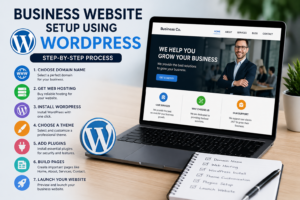
How to Set Up a Business Website Using WordPress: Complete Beginner’s Guide Introduction In today’s digital world, having a professional website is no longer optional
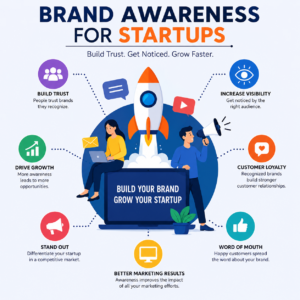
Why is Brand Awareness Important for Startups? A Complete Guide for Business Growth Introduction Starting a new business is exciting, but it is also challenging.
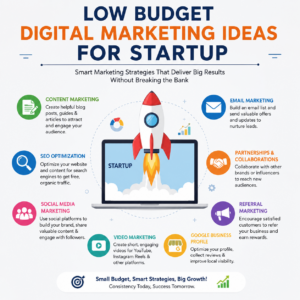
Low Budget Digital Marketing Ideas for Startup: Complete Growth Guide Introduction Starting a business is exciting, but one of the biggest challenges for any new

Why Entrepreneurs Are Important: Their Role in Economic Growth and Innovation Introduction Understanding why entrepreneurs are important is essential in today’s fast-changing world. Entrepreneurs are
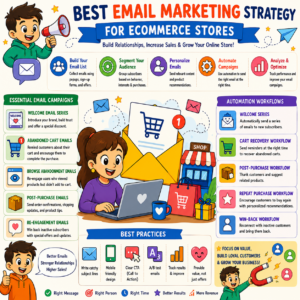
The Best Email Marketing Strategy for Ecommerce Stores: Complete Guide to Boost Sales and Customer Loyalty Introduction If you run an online store, email marketing


How to Increase Ecommerce Sales with Email Marketing Introduction In today’s competitive online marketplace, attracting visitors to your website is only half the battle. The

B2B Email Marketing: The Complete Guide to Generating Leads and Growing Your Business Introduction In today’s digital world, B2B email marketing remains one of the