
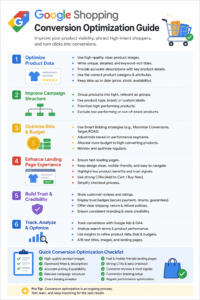
How to Improve Google Shopping Conversion Rates: Complete Guide for Ecommerce Success
How to Improve Google Shopping Conversion Rates: Complete Guide for Ecommerce Success Introduction If you run an online store, Google Shopping can become one of
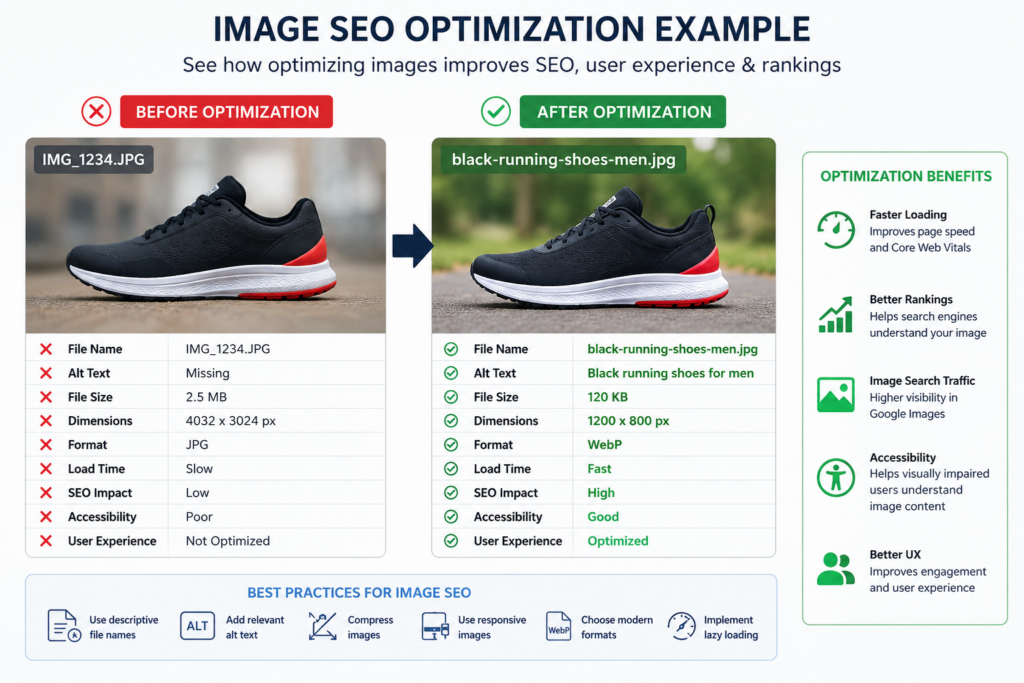
Images play a crucial role in modern websites. Whether you run an e-commerce store, business website, blog, educational portal, or corporate platform, visual content helps attract visitors and improve engagement. However, simply uploading images is not enough. Search engines need properly optimized images to understand content, improve rankings, and enhance user experience.
Many website owners focus heavily on keywords, backlinks, and content creation but often overlook image optimization. Poorly optimized images can slow down a website, increase bounce rates, reduce conversions, and negatively affect search visibility.
Understanding how to optimize images for seo helps businesses improve page speed, increase traffic from image searches, enhance accessibility, and provide a better experience for users across devices. As search engines continue prioritizing user experience and Core Web Vitals, image optimization has become an essential component of digital marketing and website management.
This comprehensive guide explains image SEO fundamentals, optimization techniques, tools, practical applications, career opportunities, and future trends.
Image SEO refers to the process of optimizing images so search engines can easily understand, index, and rank them. It involves improving image quality, reducing file sizes, adding descriptive filenames, creating relevant alt text, and implementing technical best practices.
The primary goal is to ensure images contribute positively to website performance while helping search engines understand page content.
Image SEO focuses on:
Some important features of image optimization include:
Search engines cannot view images exactly as humans do. Instead, they rely on various signals to understand image content.
These signals include:
Instead of uploading:
IMG_1234.jpg
Use:
red-running-shoes-men.jpg
This descriptive filename provides search engines with valuable information about the image.
Similarly, an optimized alt text would be:
“Red running shoes for men with lightweight design”
This helps both accessibility and search engine understanding.
Image optimization provides benefits beyond rankings. It impacts user experience, conversions, website performance, and business growth.
Businesses can gain significant advantages through optimized visuals:
Digital marketers use optimized images to:
Image optimization skills are increasingly valuable for:
Practical applications include:
This focuses on improving website performance through technical methods.
Examples include:
Reducing a 5 MB image to 300 KB while maintaining quality significantly improves loading speed.
This involves optimizing image-related elements.
Examples include:
Using descriptive filenames instead of generic camera-generated names.
Visual optimization ensures images remain attractive while maintaining performance.
It includes:
Creating optimized product images that look professional across devices.
Accessibility-focused optimization helps visually impaired users understand images.
Examples include:
Providing clear descriptions for informational charts and infographics.
Learning how to optimize images for seo becomes easier when following a structured process.
Select relevant images that support page content.
Best Practice:
Avoid:
Upload images according to required dimensions.
Example:
If the content area is 1200 pixels wide, avoid uploading a 5000-pixel image.
Best Practice:
Compression reduces file size without noticeable quality loss.
Popular compression methods:
Best Practice:
Maintain balance between quality and performance.
File names should clearly describe image content.
Good Example:
digital-marketing-training-chandigarh.jpg
Poor Example:
IMG_5678.jpg
Alt text describes image content to search engines and screen readers.
Good Example:
“Students attending digital marketing training session”
Avoid:
Common formats include:
Use each format based on image requirements.
Responsive images adapt to different screen sizes.
Benefits include:
Lazy loading delays image loading until users scroll near them.
Benefits:
Structured data helps search engines better understand visual content.
Useful for:
Use analytics and SEO tools regularly.
Track:
Compresses PNG and JPEG files efficiently.
Provides advanced browser-based image optimization.
Free image editing software with optimization features.
Analyzes website performance and image-related issues.
Professional image editing and export optimization.
Automated image compression for websites.
WordPress image optimization solution.
Offers design and export optimization features.
Easy-to-use design platform.
Simple drag-and-drop optimization.
Browser-based editing software.
User-friendly compression solution.
Online stores optimize product images to improve rankings and conversions.
Example:
Fashion websites optimize clothing images for search visibility.
Hospitals use optimized visuals for medical information and services.
Example:
Healthcare blogs with optimized medical illustrations.
Educational institutions optimize learning resources and course graphics.
Example:
Training institutes showcasing classrooms and certifications.
Property websites use optimized property images.
Example:
Residential listings with fast-loading image galleries.
Travel businesses rely heavily on visual content.
Example:
Hotel websites showcasing destinations and accommodations.
Software companies optimize screenshots and product visuals.
Example:
SaaS platforms displaying dashboard images.
Financial institutions optimize infographics and service visuals.
Example:
Investment guides with optimized charts.
Startups use optimized images to maximize website performance.
Example:
Landing pages with compressed hero banners.
Local businesses improve local search visibility using image SEO.
Example:
Restaurants optimizing menu and location images.
Agencies implement image optimization for clients.
Example:
SEO agencies improving website performance through visual optimization.
As businesses increasingly focus on website performance and search visibility, image optimization skills are becoming valuable across industries.
Popular career options include:
Professionals should develop:
Approximate salary ranges in India:
Compensation varies based on expertise, location, and organization.
Career growth can lead to positions such as:
Freelancers can offer services including:
Many businesses actively seek specialists who understand how to optimize images for seo and improve website performance.
Image optimization will continue evolving as search engines prioritize performance and user experience.
Demand is growing due to:
Artificial Intelligence is transforming image optimization through:
AI-powered tools can identify optimization opportunities more efficiently than manual processes.
Emerging trends include:
Automation tools now handle:
Businesses can save time while maintaining performance standards.
Professionals skilled in website performance optimization will remain valuable as businesses continue investing in digital growth strategies.
For individuals interested in mastering website optimization and digital marketing, WebLiquids Institute offers practical learning opportunities focused on real-world applications.
Students receive exposure to:
The training approach focuses on helping learners understand modern SEO techniques, including how to optimize images for seo, technical optimization, content strategy, analytics, and website performance improvement.
WebLiquids Institute
Address:
SCO 114-115, 2nd Floor, Sector 34-A, Chandigarh, 160022
Phone:
829-829-5419
Website:
https://www.webliquids.com
Learners gain practical experience through project-based assignments that reflect real business challenges and industry requirements.
Image optimization is no longer an optional SEO activity. It has become an essential part of website performance, user experience, accessibility, and search visibility. Properly optimized images help websites load faster, rank better, attract more visitors, and improve engagement.
From choosing the right file formats and compressing images to creating descriptive alt text and implementing responsive design, every optimization step contributes to overall website success. Businesses across industries are actively investing in image SEO to improve digital performance and customer satisfaction.
As technology continues evolving through AI, automation, and visual search, professionals who understand image optimization techniques will remain highly valuable. Whether you are a student, business owner, marketer, or aspiring SEO professional, developing expertise in image SEO can open doors to exciting career and business opportunities.
Answer:
Image SEO is the process of optimizing images so search engines can understand, index, and rank them effectively. It involves compression, file naming, alt text optimization, responsive design, and performance improvements that help increase website visibility and user experience.
Answer:
Optimized images improve page speed, enhance user experience, support accessibility, and increase visibility in image search results. These factors contribute to better rankings and higher engagement, making image optimization an important part of modern SEO strategies.
Answer:
WebP is widely considered one of the best formats because it offers excellent compression and quality. JPEG works well for photographs, PNG is useful for transparency, and SVG is ideal for scalable graphics and logos.
Answer:
Basic image SEO concepts can be learned within a few weeks. Developing advanced expertise involving technical SEO, performance optimization, and large-scale website management may take several months of practical experience.
Answer:
Students, business owners, bloggers, digital marketers, SEO professionals, web developers, and content creators can all benefit from learning image optimization techniques to improve website performance and search visibility.
Answer:
Yes. Proper compression, resizing, modern formats, and lazy loading significantly reduce file sizes and improve page loading times, resulting in better website performance and user satisfaction.
Answer:
Yes. Many digital marketing institutes and online learning platforms offer SEO certifications that include image optimization, technical SEO, and website performance improvement modules.
Answer:
Career opportunities include SEO Executive, SEO Analyst, Digital Marketing Specialist, Technical SEO Consultant, Content Strategist, Web Developer, and E-commerce Optimization Specialist roles across various industries.
Answer:
No. Beginners can quickly learn image optimization basics such as compression, file naming, alt text creation, and responsive images. Consistent practice helps build advanced skills over time.
Answer:
The future is highly promising due to AI-powered optimization, visual search technology, automation tools, and growing emphasis on Core Web Vitals. Businesses will continue prioritizing image optimization to enhance website performance and search visibility.
Content plays a central role in digital marketing. Whether you run a business website, an online store, a blog, or a service-based platform, your content determines how effectively you connect with your audience and search engines. Publishing articles alone is no longer enough. Modern search engines prioritize valuable, relevant, and well-structured content that answers user queries effectively.
This is where how to optimize content for seo becomes an important concept. Content optimization involves improving various elements of a webpage so that search engines can understand it better while users receive a positive reading experience.
As competition continues to grow online, businesses and marketers must focus on creating content that is useful, engaging, and technically optimized. Proper optimization helps improve visibility, increase organic traffic, generate leads, and build authority within a specific industry.
This guide explains content optimization in detail, including its importance, types, processes, tools, industry applications, career opportunities, and future scope.
Content optimization is the process of improving written, visual, and multimedia content to make it more valuable for users and more understandable for search engines. The goal is to increase visibility in search results while maintaining a positive user experience.
Content optimization includes activities such as:
When content is properly optimized, it becomes easier for search engines to index and rank it.
Some important features of content optimization include:
These elements work together to improve visibility and user satisfaction.
Content optimization starts with understanding user intent. A marketer identifies what users are searching for and creates content that addresses those needs.
For example:
A user searching for “best running shoes for beginners” expects product recommendations and buying advice. An optimized article would include:
Search engines analyze these signals and determine whether the content deserves a higher ranking.
Content optimization offers benefits for businesses, marketers, and professionals alike.
Organizations benefit from optimized content because it:
Digital marketers use content optimization to:
Professionals skilled in content optimization are highly valued because businesses constantly seek ways to improve online visibility.
Content optimization is used for:
This focuses on improving webpage elements.
Examples include:
Example: Updating a service page with relevant keywords and better headings.
Technical improvements help search engines access and understand content.
Examples include:
Example: Reducing image size to improve loading speed.
User experience impacts rankings and engagement.
Important factors include:
Example: Breaking long paragraphs into shorter sections.
Visual content can improve engagement and rankings.
Examples include:
Example: Adding descriptive alt tags to product images.
Updating old content keeps information accurate and relevant.
Example: Revising a blog post with current statistics and trends.
A structured approach helps achieve better results.
Identify relevant keywords users are searching for.
Best practices:
Example:
Instead of targeting “SEO,” target more specific phrases like local SEO strategies or content marketing techniques.
Determine whether users want:
Matching intent improves rankings and engagement.
Focus on:
Avoid thin or duplicate content.
Use structured headings:
This improves readability and indexing.
Use:
Readers stay longer when content is easy to understand.
Include:
Optimized images improve page performance.
Internal linking helps users and search engines navigate content.
Example:
Linking a keyword research article to a content marketing guide.
Linking to credible resources increases trustworthiness.
Use relevant and authoritative sources when appropriate.
Track:
Use analytics tools to measure success.
Helps monitor search performance and indexing issues.
Tracks user behavior and traffic sources.
Provides keyword ideas and search volume data.
Generates content ideas based on user questions.
Offers keyword research, content analysis, and competitor insights.
Provides backlink analysis and content opportunities.
Helps optimize content based on ranking factors.
Supports keyword tracking and website analysis.
Easy-to-use SEO platform for beginners.
Popular WordPress plugin for content optimization.
Provides content scoring and on-page SEO recommendations.
These tools simplify the optimization process and help improve results.
Online stores optimize:
Example: An online clothing store improving product page visibility.
Healthcare providers optimize educational articles and treatment information.
Example: A clinic publishing patient-friendly health guides.
Educational institutions use optimized content to attract students.
Example: Course information pages targeting educational queries.
Property businesses optimize listings and location pages.
Example: Apartment listings targeting local searches.
Travel companies optimize destination guides and booking pages.
Example: Travel blogs ranking for vacation-related searches.
Technology companies publish technical resources and product documentation.
Example: SaaS companies creating optimized knowledge bases.
Financial organizations use content to educate customers.
Example: Loan comparison guides and investment articles.
Startups use content marketing to build brand visibility.
Example: Publishing industry insights and case studies.
Local businesses optimize service pages for regional searches.
Example: A restaurant targeting local food-related keywords.
Agencies optimize blogs, landing pages, and service pages.
Example: Publishing guides on digital marketing strategies.
The growing importance of content marketing has created numerous career opportunities.
Popular positions include:
Professionals should develop:
Salary varies by experience, location, and company.
Typical progression:
Experienced professionals often earn significantly higher compensation due to their specialized expertise.
Career growth may lead to:
Many professionals work independently and offer:
Freelancing provides flexibility and global earning opportunities.
The future of content optimization remains highly promising.
Businesses continue investing in digital marketing, increasing demand for optimization specialists.
Every website needs content that can compete effectively in search results.
Artificial intelligence is transforming content creation and analysis.
AI tools assist with:
However, human expertise remains essential for strategy, creativity, and audience understanding.
Emerging trends include:
Automation simplifies repetitive tasks such as:
This allows marketers to focus on strategy and creativity.
As search engines evolve, organizations will continue requiring professionals who understand how to optimize content for seo effectively.
The field offers long-term stability and growth opportunities for individuals willing to learn continuously.
For students and professionals looking to build expertise in SEO and digital marketing, WebLiquids Institute provides practical learning opportunities focused on industry requirements.
WebLiquids Institute
Address:
SCO 114-115, 2nd Floor, Sector 34-A, Chandigarh, 160022
Phone:
829-829-5419
Website:
WebLiquids Institute
The training approach emphasizes practical implementation rather than theory alone. Learners gain experience through:
Students learn how search engines work, how content strategies are developed, and how optimization techniques can be applied across different industries. The focus remains on developing skills that align with current market demands.
Whether someone is a beginner, business owner, freelancer, or marketing professional, structured training can help build confidence and practical expertise in content optimization and digital marketing.
Content optimization is one of the most valuable skills in modern digital marketing. It helps websites improve visibility, attract qualified traffic, enhance user experience, and generate better business results. From keyword research and content structure to technical improvements and user engagement, every aspect contributes to stronger search performance.
Organizations across industries rely on optimized content to reach customers and remain competitive online. At the same time, growing demand has created excellent career opportunities for SEO professionals, content strategists, and digital marketers.
As technology, AI, and search algorithms continue to evolve, understanding how to optimize content for seo will remain a critical skill for businesses and professionals seeking long-term success in the digital world.
Answer:
Content optimization is the process of improving website content so that it becomes more useful for users and easier for search engines to understand. It includes keyword research, content structure, readability improvements, and technical enhancements that help improve rankings and user engagement.
Answer:
Optimized content helps search engines understand page relevance and quality. It improves visibility in search results, increases organic traffic, enhances user experience, and supports higher conversion rates, making it an essential part of digital marketing.
Answer:
Yes. Content writing focuses on creating information, while content optimization improves that content for search engines and users. Optimization includes keyword placement, formatting, linking, technical improvements, and aligning content with user intent.
Answer:
Most beginners can understand basic concepts within a few weeks. Developing professional-level skills may take several months of practice, depending on learning consistency, project experience, and exposure to real-world SEO scenarios.
Answer:
Popular tools include Google Search Console, Google Analytics, Ahrefs, Semrush, Surfer SEO, Moz Pro, Ubersuggest, Yoast SEO, and Rank Math. These tools assist with keyword research, audits, performance tracking, and optimization recommendations.
Answer:
Students, business owners, bloggers, freelancers, content writers, marketing professionals, and entrepreneurs can learn content optimization. No advanced technical background is required to begin learning the fundamentals.
Answer:
Yes. Certifications demonstrate knowledge and commitment to learning. Combined with practical experience and project work, certifications can strengthen job applications and improve credibility with employers and clients.
Answer:
Career options include SEO Specialist, Content Strategist, SEO Analyst, Digital Marketing Executive, Content Marketing Manager, SEO Consultant, and Freelance SEO Professional. Many businesses actively seek professionals with these skills.
Answer:
Content optimization is generally beginner-friendly. Learning concepts such as keywords, content structure, and user intent is straightforward. With consistent practice and hands-on experience, most learners can build proficiency relatively quickly.
Answer:
Demand remains strong because businesses depend on online visibility to attract customers. As digital competition increases and search engines evolve, skilled professionals who understand how to optimize content for seo will continue to be valuable across industries.
How to Improve Google Shopping Conversion Rates: Complete Guide for Ecommerce Success Introduction If you run an online store, Google Shopping can become one of
How to Optimize Ecommerce Product Feeds: A Complete Guide for Better Visibility and Higher Sales Introduction If you run an online store, your product feed

Best Low Cost Google Ads Campaigns for High ROI Introduction Businesses of all sizes want more leads, sales, and customers without spending a huge advertising

Best Competitor Keyword Bidding Techniques: A Complete Guide for Higher PPC Success Introduction In today’s competitive digital marketing world, businesses are constantly looking for new

How to Create High-Converting Keyword Targeting Campaigns Introduction Every small business wants more customers, more sales, and sustainable growth. However, attracting the right audience can
How to Create High-Converting Keyword Targeting Campaigns Introduction In today’s competitive digital marketing landscape, businesses cannot afford to waste advertising budgets on the wrong audience.
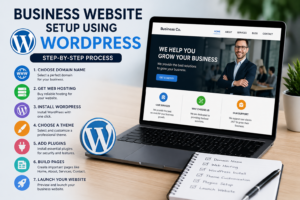
How to Set Up a Business Website Using WordPress: Complete Beginner’s Guide Introduction In today’s digital world, having a professional website is no longer optional
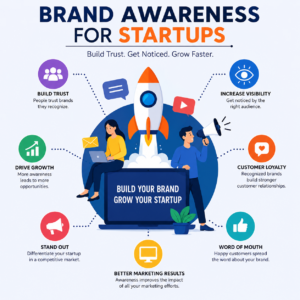
Why is Brand Awareness Important for Startups? A Complete Guide for Business Growth Introduction Starting a new business is exciting, but it is also challenging.

Low Budget Digital Marketing Ideas for Startup: Complete Growth Guide Introduction Starting a business is exciting, but one of the biggest challenges for any new

Why Entrepreneurs Are Important: Their Role in Economic Growth and Innovation Introduction Understanding why entrepreneurs are important is essential in today’s fast-changing world. Entrepreneurs are

The Best Email Marketing Strategy for Ecommerce Stores: Complete Guide to Boost Sales and Customer Loyalty Introduction If you run an online store, email marketing